Why Time So Often Feels Scarce
The constant sense of being up against it
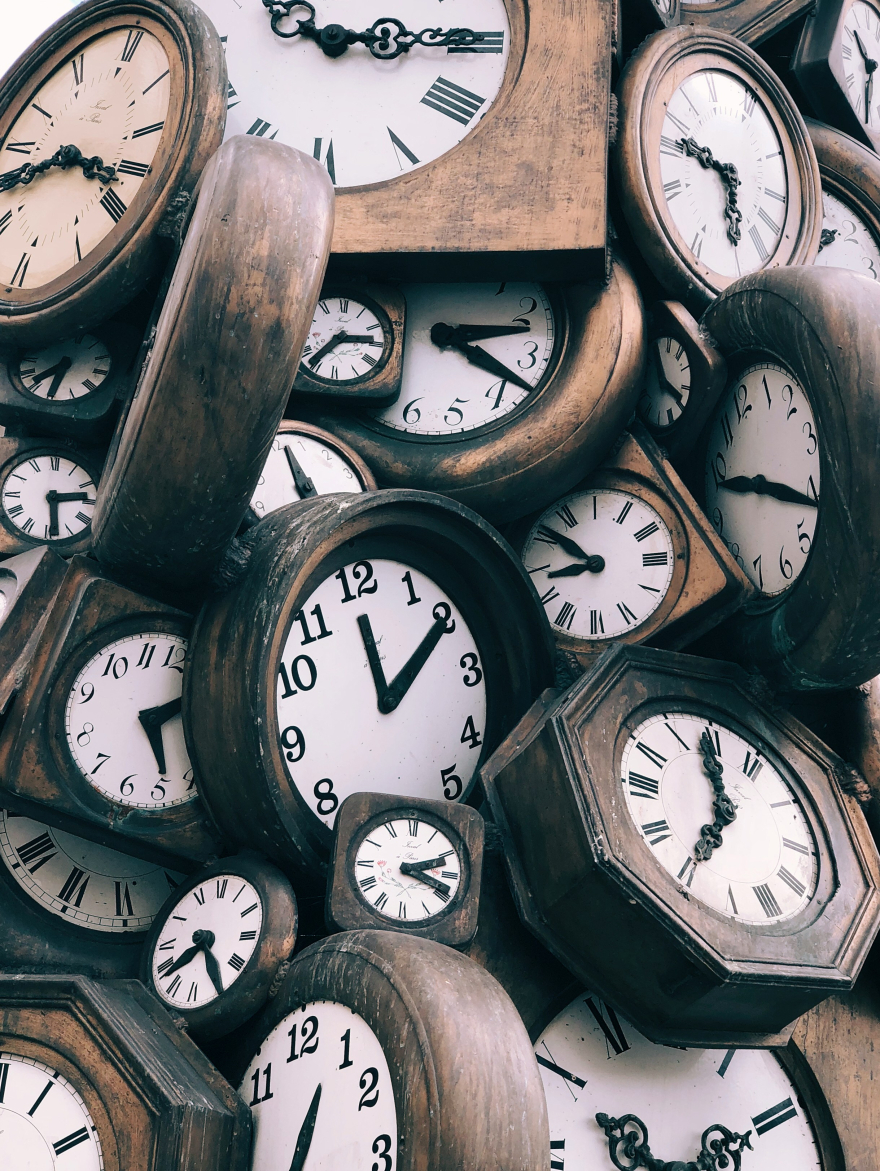
Many of us live with a persistent sense of being up against time. For some, time doesn’t register as a smooth, steady flow, but as something far less predictable — stretching, compressing, disappearing altogether. “Where did January go?” is a perfect example of this in action. Even with careful planning and good intentions, time can feel slippery and hard to pin down.
In a world that expects time to be experienced evenly and managed neatly, being late, needing more time, or slowing down can be judged as carelessness, weakness, or failure. Over time, those judgements are internalised, and a critical inner voice steps in to keep us on track.
The result is often a background sense of false urgency. We rush through days that are already full. Waiting, delays, or interruptions feel disproportionately frustrating. Beneath it all sits the quiet belief that if we don’t stay ahead, we’re somehow falling short.
When pressure becomes personal
As that pressure builds, it has a way of turning personal. What begins as external demand slowly becomes self-criticism: I’m not organised enough. Not disciplined enough. Not good enough. I just need to try harder.
Even when the demands are unreasonable or the circumstances outside our control, that voice keeps running. And when it’s reinforced by a raised eyebrow, a pointed comment, or a casual “what time do you call this?”, it compounds the belief. External judgement triggers the internal one, amplifying an already self-critical narrative.
Over time, this self-monitoring creates an unhealthy tension. We don’t just respond to deadlines; we anticipate them. We don’t simply meet expectations; we brace for falling short of them. Minor delays can take on emotional weight as we anticipate criticism or judgement. And without quite noticing, we begin to live slightly ahead of ourselves — struggling to switch off, trying to do more, or pushing harder in an attempt to stay safe or prove our worth.
How time quietly became a measure of worth
Many of us absorb the idea that how we use time says something about who we are. Being busy becomes shorthand for being committed. Staying ahead becomes proof that we’re responsible. Slowing down starts to feel risky — as though ease must be justified, earned, or explained. Relaxation can begin to feel undeserved.
Gradually, time stops being a neutral measure of night and day and starts to carry weight. It becomes something to account for, optimise, and defend. And when time is treated as a measure of value rather than simply a framework for living, pressure becomes inevitable — even when life looks spacious on the outside.
Ending the war
What this points to is a simple but often overlooked truth: the pressure we feel isn’t created by time itself, but by the way we’ve learned to relate to it. Time hasn’t become more demanding; our expectations of ourselves have. And once time is loaded with meaning — about worth, responsibility, or competence — it stops feeling neutral and starts to feel personal.
Seen this way, the problem isn’t that we’re failing to manage time properly. It’s that we’ve been measuring ourselves against it. When that’s the lens, no amount of planning will bring relief. But when the relationship shifts — when time is no longer treated as a test to pass — the pressure releases. Not because life suddenly becomes easier, but because we’re no longer at war with it.

On My Bookshelf...
That brings me to my book recommendation this month.
In Praise Of Slow By Carl Honoré.
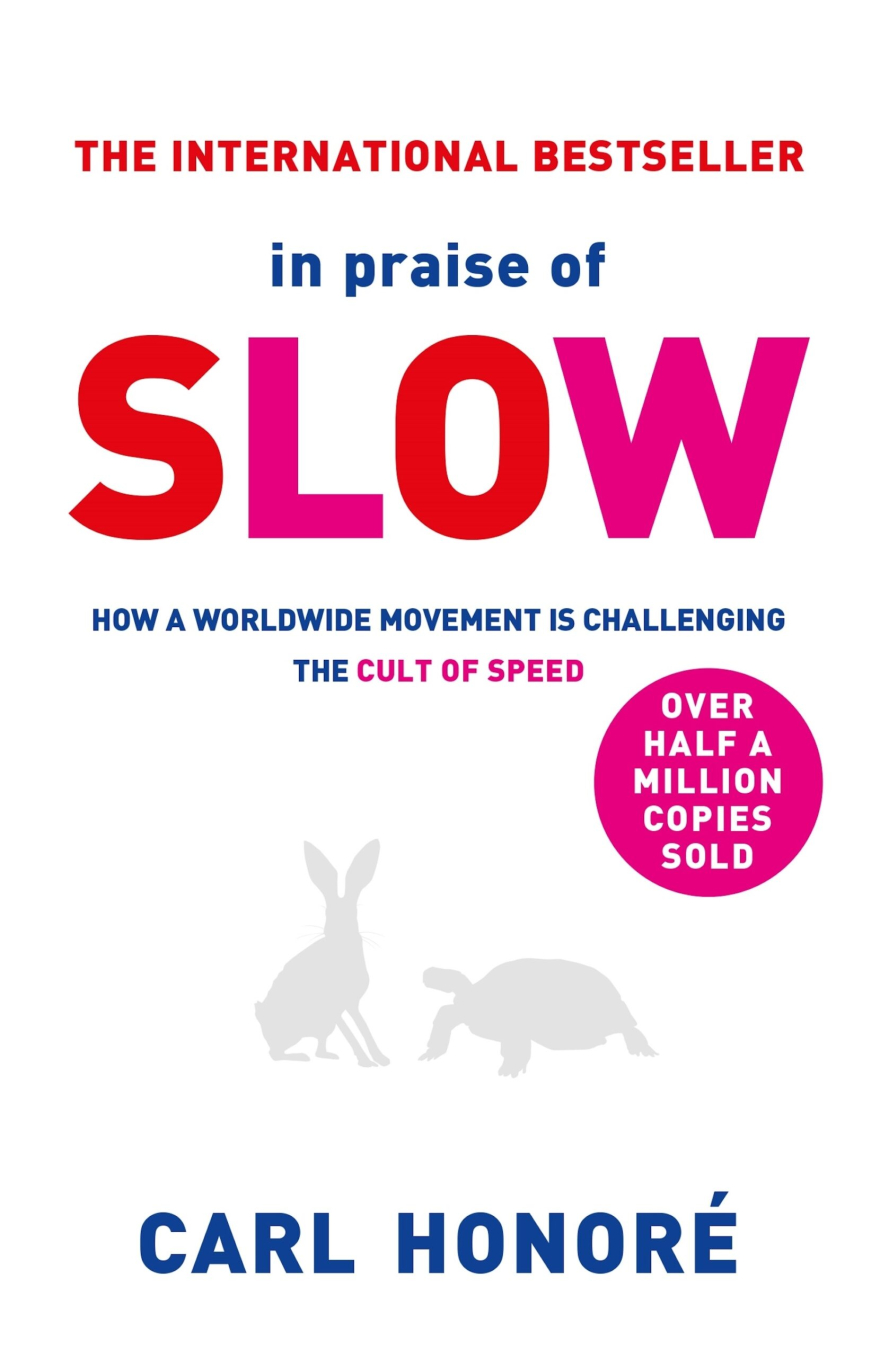
One of the very first personal development books I ever read, when I was in recovery from serious burnout, was In Praise of Slow by Carl Honoré.
Long before I had language for nervous systems or conditioning, this book challenged the idea that faster is better — and that urgency is a measure of success. It questions the cultural obsession with speed and asks a more confronting question: what do we lose when everything is rushed?
What makes this book especially relevant here is that it isn’t anti-ambition. It’s about choosing pace consciously, rather than living in permanent acceleration. About remembering that life isn’t something to get through efficiently, but something to experience fully.
If slowing down has ever felt uncomfortable, unjustified, or quietly risky, this book offers a powerful reframe — one that feels just as relevant now as it did when I first read it.
If this newsletter resonated with you, I'd love to hear your thoughts. I read and appreciate every message. You can email me at paula@paulasmithcoaching.com
And if you know anyone who might enjoy reading my newsletter, please share it with them. Editions come out monthly and you can sign up here: